

The ramifications of negligence in food safety and hygiene are far-reaching.
This Level 2 Food Safety online training course underscores the legal obligation of food business operators to provide appropriate supervision and training in food hygiene for their employees.
It highlights the severe consequences of food poisoning and poor food hygiene, aiming to equip learners with the knowledge and understanding to identify and control food safety hazards in their workplace.
Drawing on Food Standards Agency statistics, the course reinforces best practices related to food and hygiene.


To learn more about our courses, or to request a tailored quote for your organisation, please contact us today and a member of our team will be happy to help.
As a food manufacturer or supplier, you're responsible for ensuring your products meet safety standards throughout their entire shelf life, not just when they leave your premises. This means thinking beyond your factory gates to how products are stored, transported, and handled by your customers. The Food Safety Act 1990 makes it an offence to sell food that's harmful to health or unfit for consumption, and that responsibility doesn't end at dispatch.
Food production areas must be easy to clean and disinfect, with smooth, non-absorbent surfaces, adequate drainage, and proper separation of raw and cooked food areas. Adequate ventilation controls condensation and odours that can compromise product quality. Comprehensive cleaning schedules should specify what needs cleaning, when, how, and by whom, with equipment dismantling procedures included where necessary. Verifying cleaning effectiveness through visual inspection or testing closes the loop and prevents standards from drifting over time.
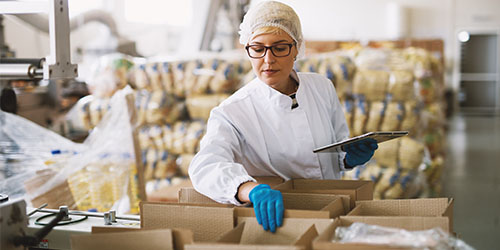
All food handlers must maintain high standards of personal cleanliness, wear appropriate protective clothing, and follow proper handwashing procedures. Hair must be covered, jewellery minimised, and wounds properly protected. Equally important, staff must report illness, particularly symptoms of gastroenteritis, and be excluded from food handling activities until fully recovered, typically 48 hours after symptoms cease. Clear procedures for reporting illness, free from any pressure to work through it, are essential.
Controlling incoming ingredients and materials is essential for finished product safety. Establish criteria for approving suppliers based on their food safety standards, certifications, and track record. Implement traceability systems that track ingredients from suppliers through production to finished products, enabling rapid response to recalls and helping you identify the source of any problems. Inspect deliveries for damage, contamination, or temperature abuse, and verify that products match specifications before accepting them into your operation.
Level 2 Food Safety qualifications are typically appropriate for food handlers, while supervisors usually need Level 3 qualifications. Provide initial training for all new employees before they handle food, and conduct regular refresher training to reinforce key messages and introduce new procedures. Document all training activities and assess competency rather than simply assuming understanding. Appointing a food safety champion or lead person who takes responsibility for maintaining standards and keeping up with regulatory changes gives the system someone to own it day to day.
Learn more about food safety in manufacturing operations by reading our blog article Food Safety Compliance Guide for Businesses.


.jpg)